Introduction
In a world of fast-moving trends, there is a special kind of magic in pieces that tell a story of time, culture, and artistry. Antique silver anklets are not just accessories; they are wearable history. These timeless pieces carry the echoes of ancient traditions and the soul of expert craftsmanship, offering a style that is both deeply rooted and effortlessly elegant. They are a testament to the fact that true beauty never goes out of fashion.
From the divine motifs of temple-inspired designs to the raw, earthy energy of vintage tribal patterns, antique silver anklets speak a language of their own. They are more than just jewellery; they are a connection to our heritage. Each handcrafted detail in these antique silver anklets adds a layer of depth and character that modern, mass-produced items simply cannot replicate. Owning and wearing one is an act of appreciating art and history.
In this guide, we will explore four evergreen styles of antique silver anklets that deserve a place in every jewellery collection. We’ll delve into the history and characteristics of each design, discover the occasions they are perfect for, and learn how to style them to bring out their unique charm. Let’s journey into the world of timeless elegance, with a little inspiration from Shri Krishna Jewels.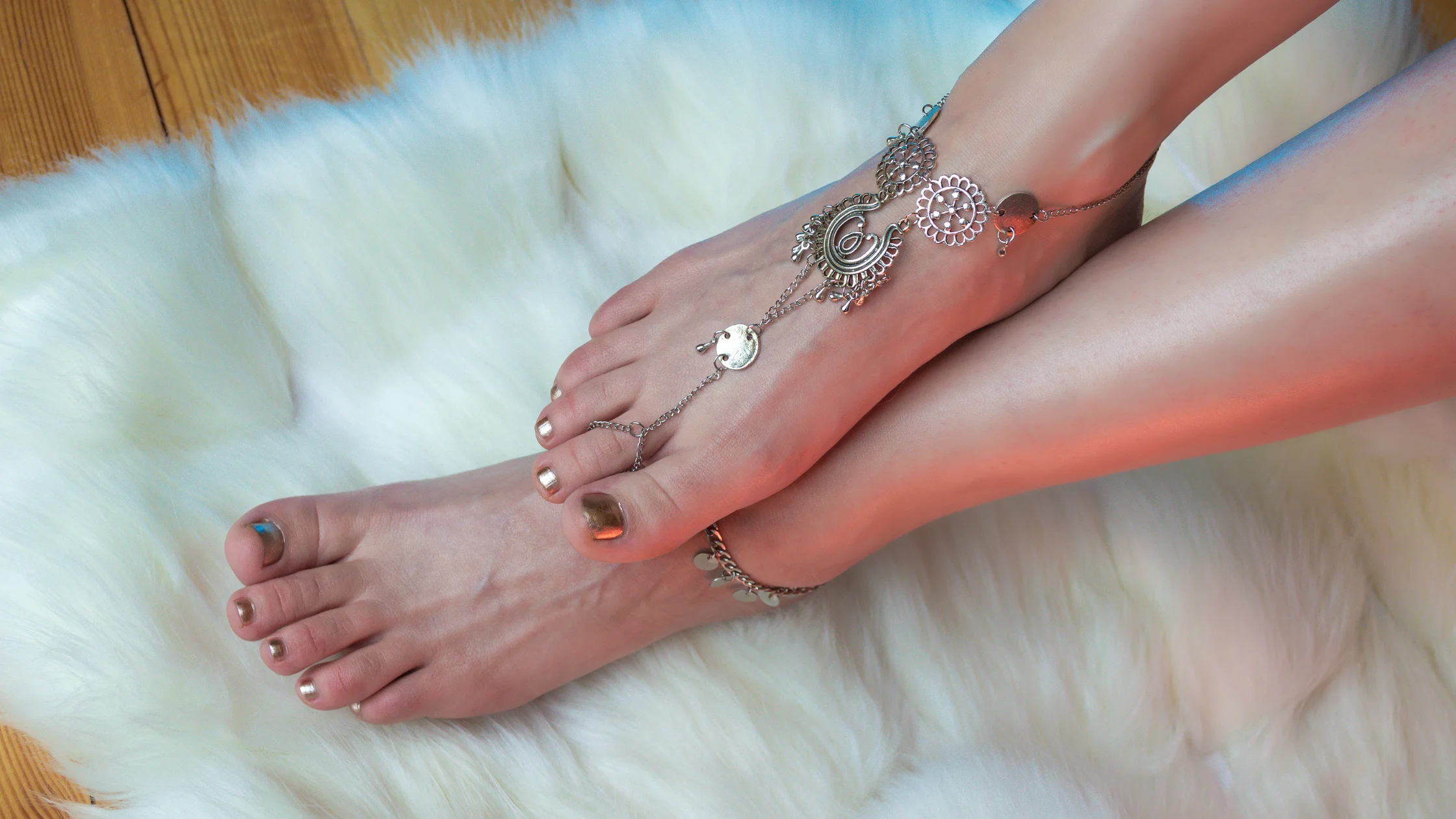
✨Temple-Inspired Designs: Divine Elegance on Your Ankles
Temple-inspired jewellery is one of the most revered and majestic forms of traditional Indian artistry. This style of antique silver anklets draws its inspiration directly from the intricate carvings, sculptures, and architecture of the grand temples of South India, bringing a touch of divine elegance to your feet.
✅ Features motifs like deities, bells, and lotus flowers in oxidized silver
These anklets are rich with symbolism, featuring designs that are deeply embedded in Hindu culture and spirituality. The oxidized finish is almost always used to give the piece an aged, authentic temple statue feel.
- Deity Motifs: Many designs feature finely carved figures of deities, most commonly Goddess Lakshmi (symbolizing wealth and prosperity) or Lord Ganesha (the remover of obstacles).
- Floral and Fauna: The lotus flower, a symbol of purity and enlightenment, is a frequently used motif, along with peacocks and elephants, which represent grace and royalty.
- Architectural Elements: Some anklets incorporate designs that mimic temple domes (gopurams) or the shape of traditional temple bells (ghungroos). The use of these elements in antique silver anklets is a tribute to sacred spaces.
✅ Often handcrafted with detailed engravings and spiritual symbolism
The beauty of temple-style antique silver anklets lies in the extraordinary level of detail and craftsmanship. These are not just stamped pieces; they are miniature sculptures, often handcrafted by skilled artisans who have inherited their craft through generations.
- Nakshi Work: This is a traditional form of detailed engraving that gives the motifs a three-dimensional, lifelike quality.
- Spiritual Significance: Wearing these anklets is often considered auspicious. The motifs are not just decorative but are meant to invoke blessings, protection, and positive energy for the wearer.
- Artisanal Heritage: Each piece is a testament to India’s rich heritage of jewellery making, a skill passed down over centuries. This makes owning one a truly special experience.
✅ Ideal for weddings, religious events, or traditional ceremonies
Given their divine and regal nature, temple-inspired antique silver anklets are the perfect accessory for significant cultural and spiritual occasions. They add a layer of grace and tradition that is unmatched.
- Bridal Wear: They are a stunning choice for brides, perfectly complementing the richness of silk sarees and lehengas.
- Festive Occasions: For major festivals like Diwali, Navratri, or Onam, these anklets complete a traditional look with grace and authenticity.
- Religious Ceremonies: They are an appropriate and beautiful adornment for attending pujas, temple visits, or other religious functions.
💡 Tip: Pair these magnificent anklets with traditional silk sarees (like Kanjivaram or Banarasi) or ethnic lehengas to create a truly regal and deeply rooted look that honors their cultural significance.
✨ Tribal and Bohemian Patterns: Raw and Rustic Vibes
Inspired by the nomadic and folk cultures of regions like Rajasthan, Gujarat, and the tribal belts of India, these antique silver anklets exude a raw, earthy, and untamed energy. They are bold, unapologetic, and full of character, perfect for the modern bohemian who values individuality and handcrafted charm.
✅ Inspired by folk cultures, these anklets feature chunky textures and asymmetrical elements
Unlike the refined symmetry of other styles, tribal designs celebrate the beauty of imperfection. They are often characterized by their substantial weight and deliberately rustic finish.
- Chunky and Bold: These anklets are meant to be noticed. They often feature thick, heavy bands of silver that make a powerful statement.
- Textured Finishes: The silver is often hammered, beaten, or stamped with simple, repetitive geometric patterns, giving it a rich, tactile quality.
- Asymmetrical Beauty: Designs might include non-uniform beads, mismatched dangles, or asymmetrical arrangements that add to their unique, handcrafted appeal.
✅ Often include ghungroos, coins, or twisted wire detailing
The embellishments used in tribal antique silver anklets are a key part of their identity, often incorporating elements that are both decorative and symbolic
- Ghungroos and Bells: Small, dangling silver bells or ghungroos are very common, creating a gentle, rustic sound with every movement.
- Coin Embellishments: Many pieces feature old silver coins or coin replicas, a nod to the historical use of jewellery as portable wealth among nomadic tribes.
- Intricate Wirework: Details like twisted or plaited silver wire and fine granulation work (tiny silver beads) showcase the immense skill of tribal artisans.
✅ Perfect for a bold, boho-chic statement with skirts, dresses, or palazzos
Tribal antique silver anklets are the ultimate accessory for creating a bold, free-spirited, and eclectic look. They are incredibly versatile and can be styled in numerous ways.
- With Flowy Fabrics: Pair them with long, flowing cotton skirts, maxi dresses, or breezy palazzo pants to create a quintessential boho-chic vibe.
- With Denim: The contrast between rustic, oxidized silver and modern blue denim is incredibly stylish and edgy.
- Layered Looks: Don’t be afraid to stack a chunky tribal anklet with other, more delicate chains for a personalized, layered look.
📌 Love unique and earthy styles? Tribal antique silver anklets are your must-have pick for a look that’s full of soul and character!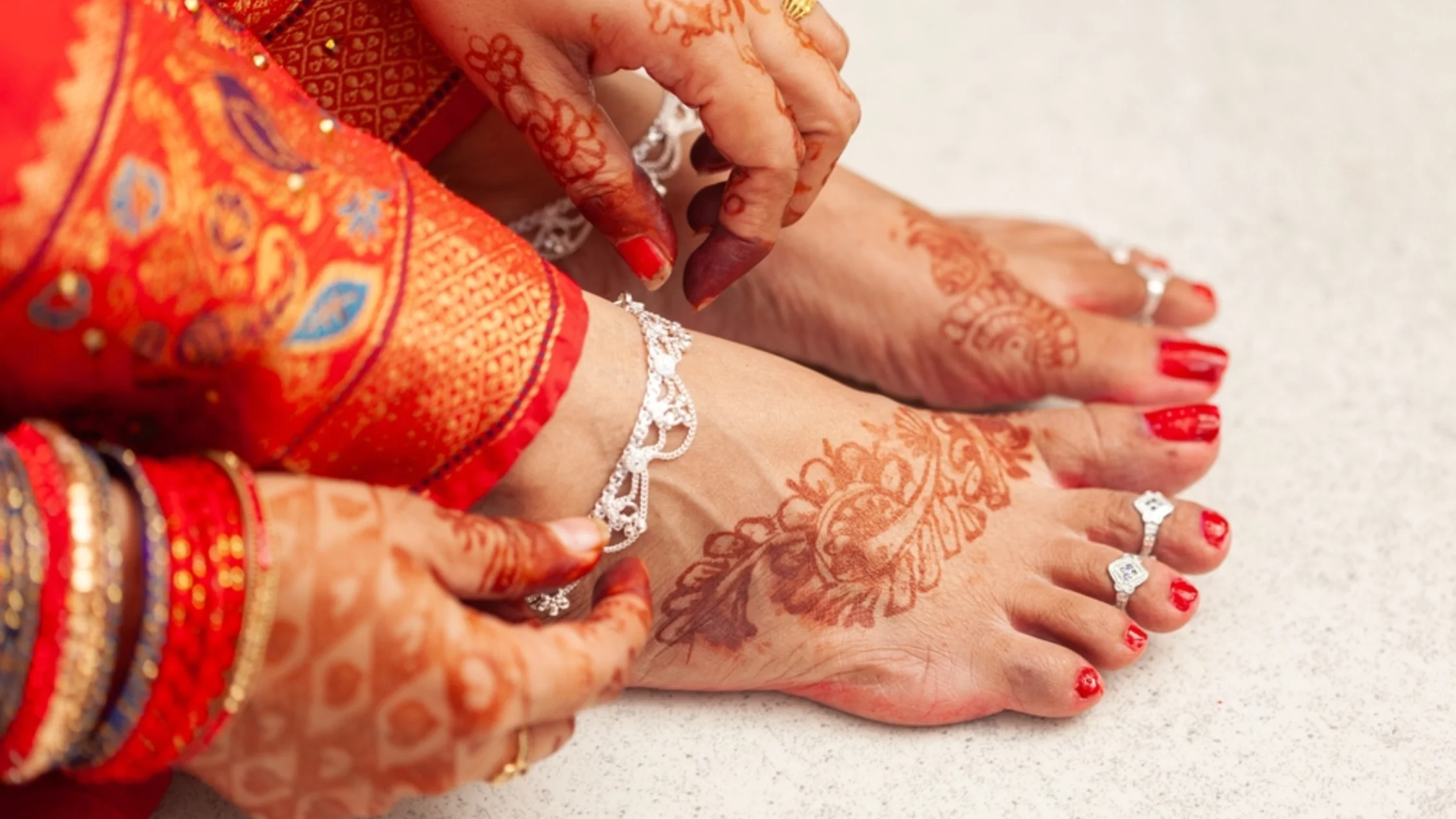
✨Vintage Toe Ring Anklets (Bichiya Style): Tradition with a Twist
This design is one of the most culturally significant and visually striking types of antique silver anklets. Known traditionally as a payal with bichiya, this style combines the classic anklet with one or more chains that extend down the foot to connect with a matching toe ring.
✅ Combines the classic anklet with attached toe rings, deeply rooted in Indian culture
This is more than just an accessory; it is a complete foot adornment with deep cultural roots.
- Integrated Design: The anklet and toe ring are part of a single, cohesive piece of jewellery.
- The Structure: A main anklet band sits on the ankle, while one or more delicate chains drape gracefully over the top of the foot, culminating in a toe ring (or multiple toe rings).
- Focus on the Feet: This design is meant to beautify the entire foot, drawing attention to it as an object of grace and elegance.
✅ Popular in bridal collections and symbolic of marital tradition
In many parts of India, this style of anklet is an essential part of a bride’s wedding attire and holds deep symbolic meaning.
- Solah Shringar: The payal with bichiya is often considered a part of the Solah Shringar, the sixteen traditional adornments of a Hindu bride.
- Symbol of Marriage: Traditionally, the wearing of toe rings (bichiya) is a symbol of a woman’s marital status, similar to a wedding ring in Western cultures.
- Bridal Heirloom: Because of its significance, this type of antique silver anklets is often passed down through generations as a family heirloom.
✅ Often decorated with floral, paisley, or meenakari detailing
These pieces are showcases of exquisite craftsmanship, featuring some of the most beautiful decorative techniques in Indian jewellery.
- Meenakari Work: This involves the art of filling in engraved patterns with vibrant colored enamels, adding a splash of color to the silver.
- Floral and Paisley Motifs: Delicate floral vines and classic paisley (mango-shaped) patterns are commonly used to adorn both the anklet band and the toe rings.
- Kundan and Stones: Many bridal versions are also studded with Kundan, polki, or colored stones to match the rest of the bridal jewellery set.
📌 Looking for something heritage-rich and meaningful? These toe-ring anklets bring timeless beauty and profound symbolism together in one stunning piece.
✨ Chain and Jali Work: Intricacy in Motion
This style of antique silver anklets is a celebration of delicate, intricate craftsmanship. It moves away from heavy, solid forms and instead focuses on creating a flexible, fabric-like feel through the masterful weaving of silver chains or the creation of fine meshwork.
✅ Designed with delicate mesh (jali) or layered silver chains for a graceful drape
The defining feature of these anklets is their fluidity and the beautiful way they drape around the ankle.
- Jali Work: Inspired by the latticed stone screens found in Mughal architecture, jali work involves creating a delicate, net-like pattern from fine silver wires. It is incredibly detailed and visually stunning.
- Layered and Woven Chains: Many designs feature multiple layers of fine silver chains linked together or a single, wide band that has been intricately woven or plaited to resemble a piece of silver fabric.
- Fluid Movement: Both these techniques result in an anklet that moves gracefully with the wearer, creating a soft, shimmering effect.
✅ Lightweight, intricate, and rich in old-world charm
Despite their visually complex and substantial appearance, these intricate antique silver anklets are often surprisingly lightweight and comfortable to wear, making them suitable for long hours.
- Comfort in Design: Because they are constructed from fine wires or chains rather than solid metal, they are not overly heavy.
- Old-World Elegance: The meticulous craftsmanship and intricate patterns give these anklets a sophisticated, old-world charm that feels both luxurious and timeless. Searching for this type of antique silver anklets is a quest for wearable art.
- Flexible Fit: Their fabric-like construction allows them to conform perfectly to the shape of the ankle for a comfortable and secure fit.
✅ Blends well with both Indian and Indo-western outfits
The refined elegance of chain and jali work makes this style incredibly versatile, capable of complementing both traditional and contemporary wardrobes.
- Traditional Grace: It pairs beautifully with elegant Anarkali suits, shararas, and chic chiffon sarees, adding a touch of sophisticated charm.
- Modern Fusion: It can also be the perfect accessory for an Indo-western look, such as pairing it with a silk jumpsuit or a modern gown, adding a hint of heritage to a contemporary silhouette.
💡 Tip: Choose these anklets in an oxidized or “antique” polished finish. This enhances the depth of the intricate patterns, giving the jali work and chain links a truly authentic vintage aesthetic.
Conclusion
From the sacred grounds of temples to the vibrant nomadic tribes, antique silver anklets offer a captivating glimpse into a world of rich history, profound symbolism, and unparalleled craftsmanship. These four evergreen styles, Temple, Tribal, Jali, and Bichiya, are more than just fleeting trends; they are enduring expressions of culture that have graced ankles for centuries and continue to enchant us today.
Choosing to wear antique silver anklets is about embracing a story. It’s about appreciating the slight imperfections that speak of a human touch and the gentle patina that tells of a life already lived. Whether you are drawn to the divine elegance of a temple anklet or the raw, free-spirited energy of a tribal design, you are choosing a piece of jewellery with a soul, something that will add a unique and meaningful layer to your personal style.
So, the next time you are looking to adorn yourself, consider looking to the past. Let the timeless beauty of these designs inspire you. Explore the intricate details, feel the weight of history, and find the perfect pair of antique silver anklets that speaks not just to your style, but to your spirit.
Reach out to Shri Krishna Jewels today! ✨💍📌
FAQs
How can I tell if my anklets are genuine antique silver anklets or just new ones with an antique finish?
Genuine antique silver anklets will often show signs of natural wear and a soft, uneven patina that develops over many years. They may lack modern hallmarks but might have traditional maker’s marks. A new piece with an “antique finish” uses chemicals (oxidation) to create a uniform dark look in the crevices, which can look different from a natural, time-worn patina. When in doubt, consulting a reputable antique jewellery dealer is the best way to verify authenticity.
Is it safe to clean my antique silver anklets at home?
Yes, but you must be extremely gentle. Avoid harsh chemical dips or vigorous polishing, which can strip away the valuable patina that gives an antique piece its character. The safest method is to use a soft, dry silver polishing cloth to gently buff the surface. For dirt in crevices, a very soft, dry toothbrush can be used. Avoid soaking them, especially if they have delicate stones or enamel work.
Are antique silver anklets comfortable for daily wear?
It depends on the style. Lighter designs, like those with Jali work or delicate chains, can be very comfortable for daily wear. Heavier tribal or temple-style antique silver anklets are typically more suited for special occasions, as their weight and bulk might be cumbersome for a full day of activity.
What is “oxidized silver,” and is it the same as antique silver?
Oxidized silver is new sterling silver that has been intentionally darkened with a chemical treatment to mimic the look of aged or antique silver. It’s a finishing technique to create an “antique style.” True antique silver is an item that is actually old (typically 50-100+ years) and has developed its dark patina naturally over time. While they can look similar, they are not the same thing.
Where is the best place to buy authentic antique silver anklets?
The best places are reputable antique shops, specialized online antique jewellery stores, and auctions that deal in estate or vintage jewellery. It’s important to buy from a trusted seller who can provide information about the piece’s origin, approximate age, and materials when you are looking for authentic antique silver anklets. Be cautious at flea markets or unverified online platforms unless you are an expert yourself.