

Introduction
Tarnished silver ruining your vibe? We’ve all been there! You reach for your favorite silver necklace or pull out the special occasion silverware, only to find it looking dull, dark, and anything but celebratory. That beautiful shine has been replaced by a stubborn, discolored film, and it’s easy to feel frustrated and tuck it all away in a drawer. This is a common problem, but thankfully, knowing how to clean silver at home is easier than you think.
But what if you could bring back that brilliant glow without a trip to a professional cleaner or using harsh, smelly chemicals? The good news is, you absolutely can. The secret to restoring your silver’s sparkle is likely already sitting in your kitchen pantry. Mastering how to clean silver at home is a game-changing skill that saves you time, money, and exposure to unnecessary chemicals.
In this guide, we’re going to explore six super easy and effective home remedies to bring your silver back to life, naturally and affordably. We’ll break down each method step-by-step, explain why it works, and tell you which items it’s best for. When you’re finished, you’ll be an expert on how to clean silver at home. Let’s dive in and learn how to make your silver sparkle with a little expert guidance from Shri Krishna Jewels.
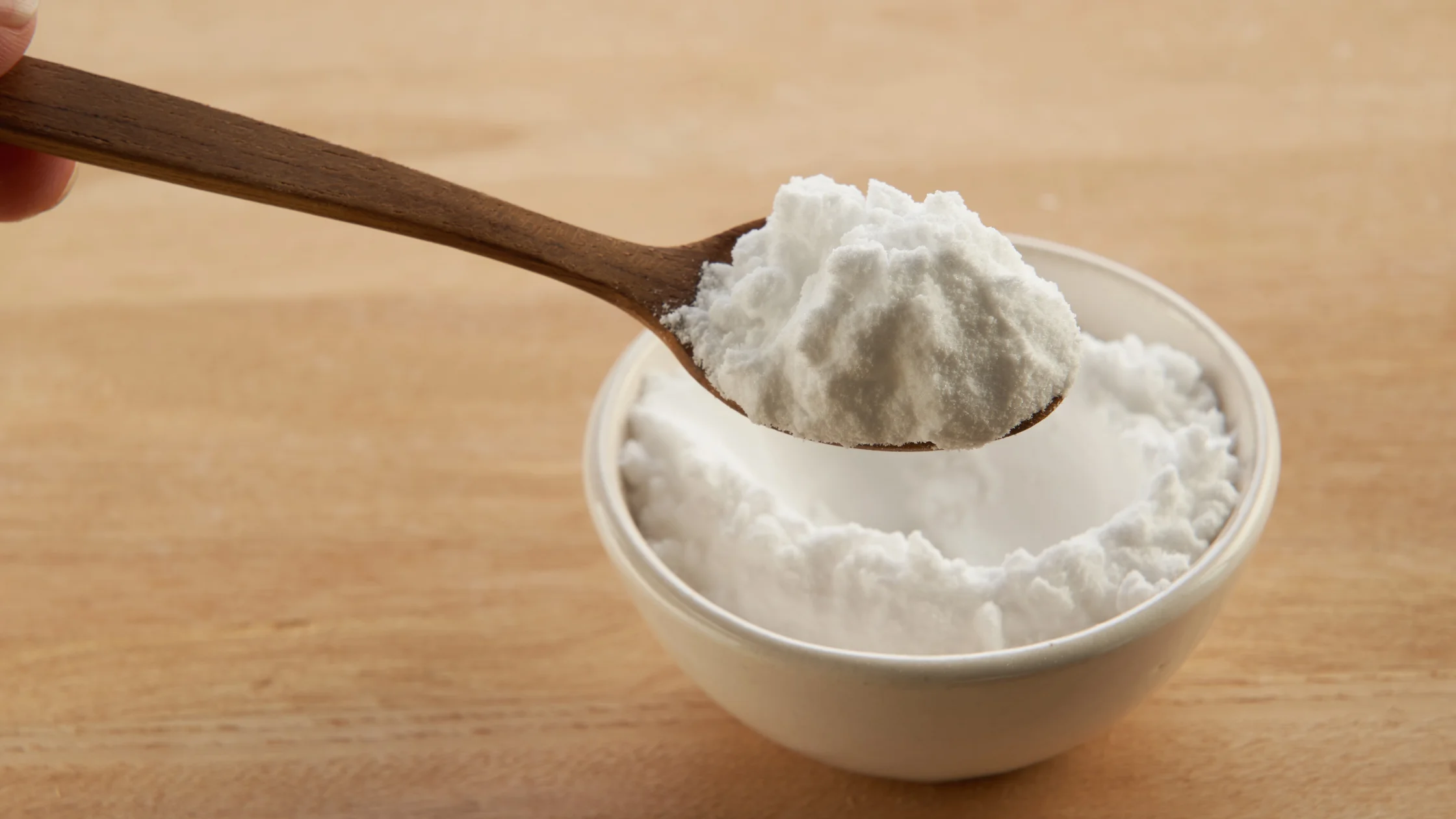
✨Baking Soda & Aluminum Foil: The Science-Backed Shine
This method is a true classic for a reason. It feels like a magic trick, but it’s pure science at work, using an electrochemical reaction to lift tarnish off your silver without any need for vigorous, potentially damaging scrubbing. It’s one of the most effective and satisfying ways to learn how to clean silver at home.
✅ Line a bowl with foil, add hot water and baking soda, let chemistry do the magic
This process, called ion exchange, cleverly transfers the tarnish (silver sulfide) from your silver to the aluminum foil. This is a fantastic technique for how to clean silver at home because you’re not scrubbing the tarnish away; you’re scientifically dissolving it.
- Gather Your Materials: You’ll need a heat-proof bowl, aluminum foil, baking soda, and very hot water. This is the first step in how to clean silver at home with this remedy.
- Prepare the Bath: Line the bowl completely with foil, making sure the shiny side is facing up.
- Add Your Silver: Place your tarnished items directly onto the foil, ensuring each piece is making contact.
- Activate the Reaction: Sprinkle a generous amount of baking soda over the silver (about 2-3 tablespoons), then carefully pour in enough boiling or very hot water to submerge everything completely.
- Watch and Wait: Let the items soak for 5-15 minutes. You’ll see bubbles and might smell a faint sulfur scent; that’s the tarnish leaving your silver!
- Rinse and Dry: Use tongs to remove the items, rinse them thoroughly under cool water, and buff them completely dry with a soft cloth.
✅ Removes heavy tarnish without any scrubbing
The biggest benefit of this particular method for how to clean silver at home is its gentle, hands-off nature. The chemical reaction does all the heavy lifting, protecting your silver’s delicate surface from potential scratches.
- No Abrasion: This is crucial for preserving the finish of highly polished or antique silver pieces. This makes it a safe option for how to clean silver at home.
- Reaches Every Nook: The soaking process cleans intricate details, chain links, and engravings that are impossible to reach with a cloth.
- Less Effort, Better Results: It’s a simple and efficient way to tackle even the most stubborn, blackened tarnish.
✅ Safe for most silver jewellery, cutlery, and decor
This method is incredibly versatile and can be used on a wide range of solid silver items, making it a reliable choice for how to clean silver at home.
- Perfect For: Sterling silver cutlery (forks, spoons), solid silver chains and bracelets, and small decorative items.
- Use with Caution: Do NOT use this method on silver items that have porous gemstones like pearls, opals, turquoise, or coral, as the heat and reaction can cause serious damage.
- Check for Glue: Avoid using it on pieces where stones or decorative elements are held in with glue, as the hot water can dissolve the adhesive.
💡 Tip: Add a pinch of salt along with the baking soda to boost the chemical reaction. Salt acts as an electrolyte, speeding up the ion exchange process for even faster and more dramatic results on heavily tarnished pieces.
✨ White Vinegar & Baking Soda Soak: The Gentle Power Combo
White vinegar and baking soda are two of the most powerful and versatile cleaners in your home, and together they create a gentle yet effective soaking solution that can dissolve moderate tarnish over time. This is a popular and effective approach for how to clean silver at home.
✅ Soak silver in a mix of white vinegar and baking soda for a deep cleanse
This method uses the mild acidity of vinegar combined with the gentle abrasive and deodorizing power of baking soda to break down tarnish. This is a great hands-off technique for how to clean silver at home.
- Create the Soak: In a glass bowl, place your silver items. Pour in enough white vinegar to cover them.
- Add the Fizz: Add baking soda to the vinegar. A good ratio to start with is 2 tablespoons of baking soda for every ½ cup of white vinegar. The mixture will begin to fizz immediately.
- Be Patient: Let your silver soak in the solution for 2 to 3 hours. This is a slow, gentle process that requires patience for the best results.
- Rinse and Buff: After soaking, remove the silver, rinse it thoroughly with cool water to remove all traces of vinegar, and dry it completely with a soft cloth.
✅ Ideal for silverware, coins, and moderately tarnished jewellery
This deep-cleaning soak is particularly well-suited for items that can be fully submerged and don’t have heavy, blackened tarnish. Using this technique is a key part of learning how to clean silver at home for a variety of objects.
- Great for Silverware: It’s an easy way to brighten up a whole set of sterling silver forks and spoons at once.
- Good for Coins: This method can help restore the detail on old silver coins without damaging them.
- Jewelry Refresh: It’s perfect for giving moderately tarnished bracelets and necklaces a much-needed refresh.
✅ Non-abrasive and safe for antique items
Because this method doesn’t involve any rubbing or scrubbing, it is a very safe option for older, more delicate silver pieces with a fragile patina. It’s an important consideration when deciding how to clean silver at home.
- Gentle Action: The chemical reaction, not physical force, does the cleaning.
- Preserves Patina: It can clean the tarnish without stripping the desirable, soft patina that gives antique silver its character and value.
- A Note of Caution: As with any method, if an item is extremely valuable or has porous stones, it’s best to proceed with caution or consult a professional.
📌 Want a hands-off solution? Let this fizzy soak do the work for you! It’s a fantastic, natural way to learn how to clean silver at home.
✨ Lemon Juice & Salt Rub: Fresh and Fast
For a quick, effective, and surprisingly pleasant-smelling solution when you need to know how to clean silver at home, look no further than your fruit bowl. The natural acidity of lemon juice is a fantastic tarnish-buster, and when combined with the gentle scrubbing power of salt, it creates a simple paste that can brighten silver in minutes.
✅ The acidity of lemon combined with salt lifts tarnish quickly
This method works because the citric acid in the lemon juice chemically dissolves the silver sulfide (tarnish), while the fine grains of salt act as a mild abrasive to help lift it away. It’s a simple and direct approach for how to clean silver at home.
- Make the Paste: In a small bowl, mix the juice of half a lemon with a teaspoon of salt. You can add a little water to form a workable paste.
- Apply and Rub: Dip a soft, clean cloth into the paste and rub it gently onto the tarnished silver.
- Rinse and Dry: Once you see the shine return, rinse the item completely under warm water and buff it dry with a microfiber cloth.
✅ Works great for detailed or textured silver pieces
Because you are applying this cleaner with a cloth or soft brush, you have excellent control, making it perfect for items with lots of detail. This targeted technique is a useful skill when learning how to clean silver at home.
- Get in the Grooves: Use a soft-bristled toothbrush to gently work the paste into engravings, filigree work, or other intricate patterns.
- Targeted Cleaning: You can focus on specific areas of tarnish without having to soak the entire piece.
✅ Leaves your silver smelling citrus-fresh
One of the unique benefits of this method is the lovely, fresh scent it leaves behind, a welcome alternative to the sometimes harsh smells of chemical polishes.
- Natural Deodorizer: Lemon is a natural cleaning and deodorizing agent.
- Pleasant Experience: It makes the task of cleaning your silver a much more enjoyable sensory experience.
💡 Tip: Use a soft cloth to rub gently; no vigorous scrubbing is needed! The chemical properties of the lemon and salt do most of the work. Over-scrubbing could cause fine scratches.
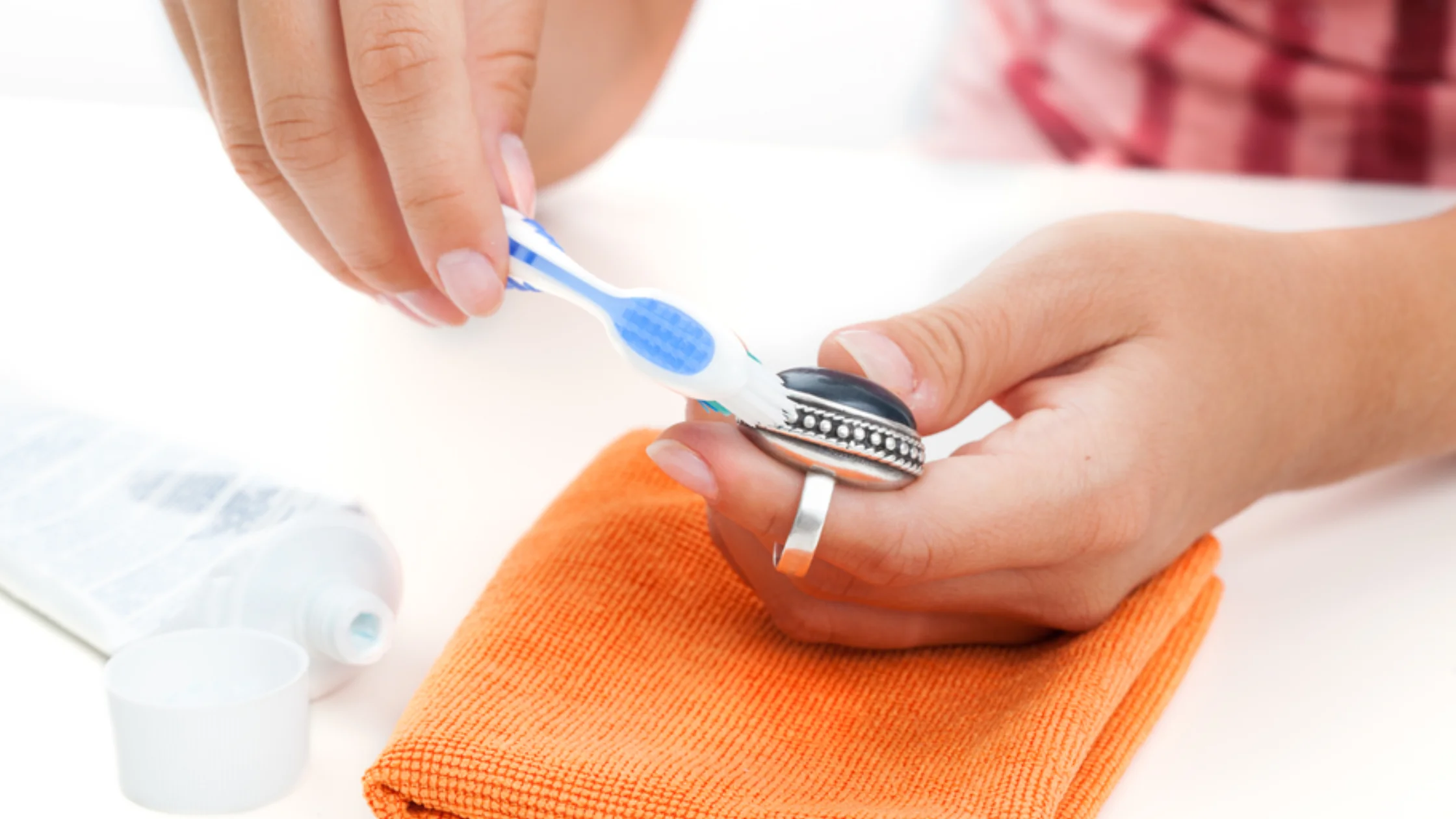
✨Toothpaste Polish: Shine in Minutes
It might sound like an old wives’ tale, but this is one of the most famous (and fastest) DIY hacks for a reason. When you’re in a pinch and need a quick shine, a dab of the right kind of toothpaste can work wonders on dull silver. It’s a very common answer when people ask how to clean silver at home.
✅ A small amount of non-gel, non-whitening toothpaste can polish silver fast
The key to this method is using the correct type of toothpaste. Toothpaste works because it contains very mild abrasives designed to clean tooth enamel, and these can also polish away tarnish. Knowing which type to use is essential for how to clean silver at home safely.
- The Right Choice: You MUST use a plain, white, non-gel paste. The simpler, the better.
- What to Avoid: Steer clear of gel toothpastes, charcoal formulas, or any kind that contains “whitening” agents or “tartar control” crystals.
✅ Apply with a soft brush or cloth, then rinse and dry
This is a quick, five-minute fix for anyone needing to learn how to clean silver at home in a hurry.
- Application: Apply a small, pea-sized amount of toothpaste to a soft, damp cloth or an old, soft-bristled toothbrush.
- Polish Gently: Rub the tarnished area with gentle, straight back-and-forth motions (not circles).
- Rinse Completely: It’s crucial to rinse all the toothpaste residue off under warm water, as it can be corrosive if left behind.
- Dry Thoroughly: Buff the item with a clean, dry cloth to bring out the shine.
✅ Perfect for small items like rings, earrings, and chains
This method is best reserved for quick touch-ups on small, durable pieces of jewelry. Understanding its limitations is part of knowing how to clean silver at home responsibly.
- Ideal Use Cases: Shining up a dull spot on a ring, brightening a pair of silver stud earrings, or cleaning a simple chain.
- Avoid on Large Surfaces: It’s not recommended for large, flat items like trays or picture frames, as the mild abrasives can still create visible micro-scratches on a mirror-like finish.
📌 Out of silver polish? Grab that toothpaste tube, it works in a pinch for a last-minute sparkle!
✨ Cornstarch Paste: A Natural Buffing Agent
For your most cherished, delicate, or antique silver pieces, you need the gentlest method possible. A simple paste of cornstarch and water is an incredibly effective yet mild cleaning agent that buffs away tarnish without any risk of scratching. This is the safest method for how to clean silver at home.
✅ Make a paste with cornstarch and water, apply, dry, and buff
This method uses the fine, absorbent particles of cornstarch to gently lift tarnish from the surface as the paste dries. It’s a straightforward process for how to clean silver at home.
- Create the Paste: In a small bowl, mix cornstarch with a small amount of water until it forms a thick paste, similar in consistency to peanut butter.
- Apply to Silver: Use your fingers or a soft cloth to apply a thick layer of the paste all over the tarnished silver.
- Let It Dry Completely: Set the item aside and let the paste dry fully. This is the most important step in how to clean silver at home with cornstarch.
- Buff It Off: Once the paste is dry and crumbly, use a clean, dry microfiber or flannel cloth to gently buff it away.
✅ Lifts tarnish while being super gentle on delicate silver
This is arguably the least abrasive DIY method, making it a top choice when learning how to clean silver at home for valuable items.
- No Harsh Chemicals: It’s completely natural and free of acids or harsh chemicals.
- No Scratching: The cornstarch particles are extremely fine and soft, so they polish without scratching.
- Lifting Action: The cleaning power comes from the paste drying and absorbing the tarnish, not from physical force.
✅ Great for older or heirloom items you don’t want to risk damaging
If you have a precious family heirloom, like an antique silver locket or a detailed serving piece with a delicate patina, this is the method to use. This is the ultimate technique for how to clean silver at home when safety is your top priority.
- Patina-Safe: It will remove the dark tarnish without stripping the soft, subtle patina that gives antique pieces their character and value.
- Maximum Protection: It offers peace of mind that you are not causing any irreversible damage to your most treasured items.
💡 Tip: Use a high-quality microfiber cloth for the final buff after removing the dried paste. The ultra-fine fibers will pick up any remaining residue and polish the surface to an exceptionally high glow.
Conclusion
There you have it: six simple, effective, and affordable ways to say goodbye to tarnish and hello to brilliant, beautiful silver. As we’ve seen, you don’t need to rely on expensive or harsh chemical polishes to get professional-quality results. The answer to the question of how to clean silver at home can be found in everyday items like baking soda, vinegar, and even cornstarch. Knowing how to clean silver at home is an invaluable skill.
Learning these simple DIY techniques is empowering. It gives you the confidence to care for your treasured items, from everyday jewelry to family heirlooms, safely and naturally. By understanding which method works best for each type of item, you can ensure your silver remains sparkling and beautiful for years to come. Now you’re an expert on how to clean silver at home.
So next time you find a piece of tarnished silver, don’t put it back in the drawer. Pull out your pantry staples, choose your favorite method, and enjoy the simple satisfaction of bringing that beautiful shine back to life. Happy cleaning!
Reach out to Shri Krishna Jewels today! ✨💍📌
FAQs
What is the safest method for how to clean silver at home if it has delicate gemstones?
The safest method is the Cornstarch Paste (Tip #6) or very careful cleaning with a soft, dry polishing cloth. Avoid soaking the piece entirely. When you’re considering how to clean silver at home with jewelry, always prioritize the safety of the stones by applying cleaners carefully with a cotton swab, avoiding the gemstone and its setting.
Why did my silver tarnish so quickly after I cleaned it?
Tarnish is caused by a reaction with sulfur compounds in the air. To slow it down after you clean silver at home, make sure you dry your pieces completely and store them in an airtight bag or an anti-tarnish cloth.
Can I use these home remedies on silver-plated items?
Yes, but with extreme caution. Silver-plated items have only a very thin layer of silver. The gentlest methods, like the cornstarch paste or a very brief soak in the baking soda/foil bath, are the safest bets when you’re figuring out how to clean silver at home if it’s plated. Always be gentle and never scrub.
Is there a home remedy to prevent tarnish before it starts?
While you can’t stop tarnish completely, proper storage is the best prevention. After you learn how to clean silver at home, store your clean pieces in airtight zip-top bags with an anti-tarnish strip (you can find these online or at jewelry stores).
Between the baking soda/foil method and the vinegar soak, which is the better way for how to clean silver at home?
It depends on your needs! The baking soda and aluminum foil method is generally faster and more effective for removing heavy, dark tarnish. The vinegar and baking soda soak is a slower, gentler process that is better suited for moderately tarnished items or for those who prefer to avoid using boiling water.