

Introduction
In the vast world of investing, precious metals have always held a special allure. While gold often dominates the conversation, savvy investors are increasingly turning their attention to silver. Silver is more than just a shiny, attractive metal—it’s a powerful and accessible tool for genuine wealth-building. Its unique position as both a monetary safe haven and an irreplaceable industrial commodity gives it a dynamic potential that is hard to ignore.
For those looking to protect their wealth and achieve steady growth, silver offers a compelling combination of accessibility, rock-solid industrial demand, and significant long-term potential. However, like any sound investment, success in the silver market isn’t about luck; it’s about strategy. Knowing the right moves to make from the very beginning can be the difference between a thriving portfolio and a stagnant one.
Are you ready to harness the power of this incredible asset? Let’s dive into 6 essential silver investment tips to help you grow your portfolio steadily and smartly. You’ll learn how to start, what to look for, how to identify value, and how to protect your holdings for the long haul. These foundational silver investment tips will empower you to invest with knowledge and confidence. Let’s begin your journey with a little expert guidance from Shri Krishna Jewels.
✨ Tip #1: Start Small and Scale Gradually
One of the most common mistakes new investors make is feeling pressured to go “all-in” from the start. A far more prudent and effective approach, especially with an asset known for its price swings like silver, is to begin with small, manageable purchases. This is one of the most crucial silver investment tips for building a sustainable, long-term portfolio.
✅ Begin with small purchases to understand market trends and price movement
Dipping your toes in the water is much smarter than diving into the deep end. Making small, regular purchases of silver transforms you from a nervous outsider into an engaged, hands-on learner.
- Experience the Market: Buying your first few ounces of silver allows you to track its price movements in real time. You’ll start to understand how it reacts to economic news, inflation data, and global events.
- Learn About Premiums: This is a key concept in physical metals. You’ll quickly learn the difference between the “spot price” of silver and the final price you pay, which includes a premium for minting, distribution, and the dealer’s fee.
- Feel the Asset: There is a unique educational value in physically holding a one-ounce silver coin or bar. This experience of owning a real, tangible asset is one of the most valuable silver investment tips that can’t be learned from a chart.
✅ Helps reduce risk while you learn how silver behaves over time
Silver is more volatile than gold, meaning its price can swing more dramatically. By investing small amounts initially, you significantly reduce your financial risk while you get accustomed to this volatility.
- Capital Preservation: If the market takes a dip right after you start buying, your financial exposure is minimal. This prevents the kind of panic-selling that often plagues inexperienced investors.
- Develop Discipline: This strategy is fundamental to developing the emotional discipline required for successful investing. It teaches you to view price drops not as a reason to fear, but as a potential opportunity to acquire more of the asset at a lower price.
✅ A great strategy for beginners and cautious investors
This “walk before you run” methodology is perfectly suited for anyone new to precious metals or for those who have a more cautious and conservative approach to investing.
- Removes Intimidation: It eliminates the feeling that you need thousands of dollars just to get started.
- Focus on Education: In the beginning, your primary return on investment is knowledge. Following these initial silver investment tips ensures you build that knowledge on a solid, low-risk foundation.
💡 Tip: Use the dollar-cost averaging strategy. This involves investing a fixed amount of money at regular intervals (e.g., ₹5,000 every month).
✨ Tip #2: Understand the Types of Silver Investments
Before you invest, you need to know what you’re buying. Not all silver investments are the same. They can be broadly categorized into physical silver and “paper” silver, and each comes with a distinct set of risks, benefits, and responsibilities.
✅ Learn the difference between physical silver (coins, bars) and paper silver (ETFs, stocks)
This is one of the most foundational silver investment tips you will learn. The distinction is critical to aligning your investment with your goals.
- Physical Silver: This is tangible silver that you own directly and can hold in your hand. This category includes:
- Government-Minted Coins: Examples include the American Silver Eagle, Canadian Maple Leaf, and British Britannia. They have a face value, and their purity is backed by a sovereign government.
- Privately Minted Rounds & Bars: These are produced by private companies and come in various sizes, from one-ounce to large 100-ounce bars.
- “Paper” Silver: This refers to financial products that give you exposure to the price of silver without you owning the physical metal. This includes:
- ETFs (Exchange-Traded Funds): These are funds that hold large amounts of silver bullion, and you can buy shares of the fund on the stock market.
- Mining Stocks: You can invest in the companies that mine silver. The stock price is influenced by the silver price, but also by the company’s operational success and profitability.
✅ Each has its own risks, storage needs, and liquidity levels
A core part of any list of silver investment tips is a clear-eyed look at the pros and cons. There is no perfect option, only the right option for your specific needs.
- Physical Silver Analysis:
-
- Pros: You hold it, you own it. It has no counterparty risk and exists completely outside the digital financial system. It is the ultimate insurance.
- Cons: You are responsible for its secure storage, which can have associated costs. Premiums over the spot price are generally higher, and selling it can be slightly less convenient than clicking a button.
- Paper Silver Analysis:
-
- Pros: Extremely liquid—it can be bought and sold instantly through a brokerage account. There are no personal storage concerns.
- Cons: You don’t own the underlying metal. You are exposed to counterparty risk (the risk that the fund manager or custodian fails).
✅ Diversify between physical and digital assets for balance
For many seasoned investors, the optimal strategy is not to choose one or the other but to use both. This hybrid approach is one of the more advanced silver investment tips.
- Build a Core in Physical: Use physical silver as your foundational, long-term wealth insurance. This is your “never sell unless you absolutely have to” position.
- Use Paper for Trading: Use liquid ETFs to speculate on short-term price movements or to easily rebalance your portfolio’s exposure to silver.
📌 Know what you’re investing in—these silver investment tips emphasize choosing formats that align with your goals, whether that’s long-term security or short-term trading!
✨Tip #3: Verify Purity and Authenticity
When you buy physical silver, you are buying a tangible product whose value is based on its weight and purity. The market, unfortunately, can have counterfeit products.
✅ Always buy from reputable sellers with certified silver (look for .999 or “fine silver”)
Your choice of dealer is your first and most important line of defense against fraud. Diligence here is paramount.
- Find Reputable Dealers: Look for established bullion dealers with a physical storefront or a long-standing online presence. Check for reviews, transparent pricing, and professional accreditations.
- Know Your Purity: Investment-grade silver bullion is typically “.999” or “.9999” pure, often referred to as “fine silver.” Be wary of anything less unless you are buying older coins for numismatic value. All good silver investment tips start with buying the right product.
✅ Ask for purity stamps and documentation
Legitimate silver bullion is clearly stamped with hallmarks that guarantee its quality. Knowing what these marks mean is essential.
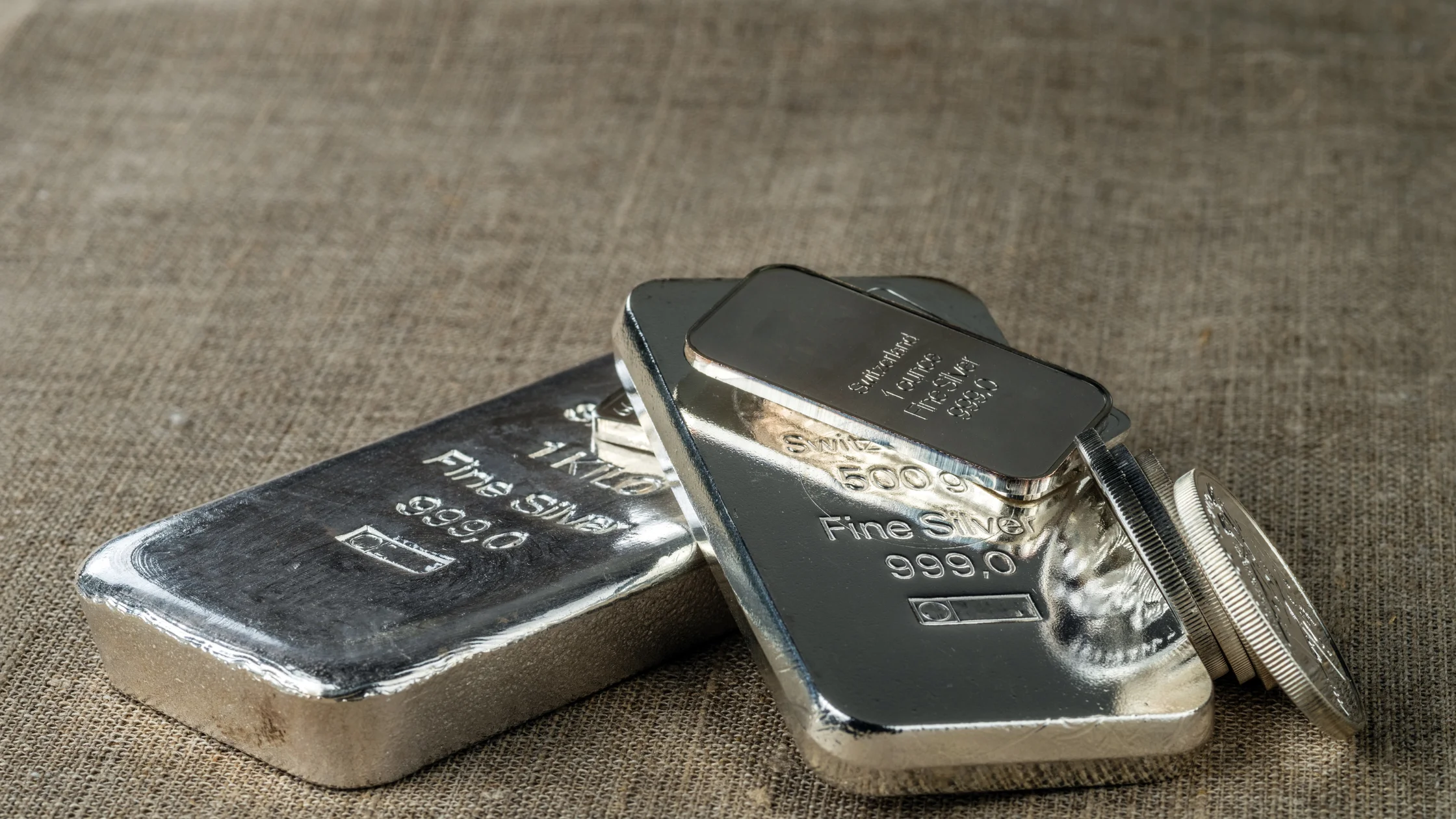
- What to Look For: Genuine coins and bars will be stamped with their weight (e.g., “1 TROY OUNCE” or “1 KILO”), their purity (e.g., “.999 FINE SILVER”), and the name or symbol of the mint that produced it.
- Question Everything: Don’t be afraid to ask the dealer questions about the product’s origin and markings. A reputable seller will be happy to provide this information.
✅ Avoid counterfeit coins or misleading deals from unknown sources
The golden rule of investing applies here: if a deal seems too good to be true, it almost certainly is. This is one of those silver investment tips that can save you from major losses.
- Beware of Low Prices: Be extremely skeptical of anyone offering to sell you silver for a price significantly below the current market spot price.
- Avoid Unverified Platforms: Be very cautious when buying from individuals on platforms like social media marketplaces or online forums. These are hotspots for counterfeit goods.
- Recognize Red Flags: High-pressure sales tactics, a lack of transparent information, or an unprofessional website are all major red flags.
💡 Tip: For beginners, one of the most valuable silver investment tips is to stick with well-known, government-minted bullion coins.
✨Tip #4: Secure Storage Is Key
One of the greatest benefits of owning physical silver is that it’s a tangible asset you control. However, this ownership comes with the crucial responsibility of protecting it.
✅ Physical silver must be stored safely—in a home safe or secure vault
Once you take delivery of your silver, you become its custodian. There are several good options for storage, each with its own set of pros and cons.
- Home Safe: A high-quality, fire-rated safe that is bolted to the floor offers convenience and immediate access to your assets.
- Bank Safe Deposit Box: This provides a high level of security against theft. However, access is limited to banking hours, and the contents are not typically insured.
- Third-Party Depository: For larger investments, using a professional, insured bullion depository is the most secure option. They offer audited, allocated storage and full insurance coverage.
✅ Ensure it’s protected from theft, tarnish, and accidental damage
A good storage plan goes beyond just locking your silver away. Proper handling and environmental considerations are also key.
- Fight Tarnish: Store your silver in airtight containers, individual coin capsules, or plastic tubes. Adding silica gel packets to your safe can help absorb moisture.
- Handle with Care: Always hold your bullion coins and bars by their edges to avoid leaving fingerprints or scratches on the surface, which can impact their value.
- Practice Discretion: One of the simplest yet most effective security measures is to not advertise the fact that you own physical precious metals.
✅ Digital holdings are safer from physical risks but need cybersecurity precautions
If you opt for “paper” silver, like an ETF, you eliminate physical risk, but you must be vigilant about cybersecurity. This is one of the most modern silver investment tips.
- Strong Credentials: Use complex, unique passwords for all your brokerage accounts.
- Enable 2FA: Always use two-factor authentication for an essential extra layer of security.
- Stay Vigilant: Be constantly on guard against phishing emails and fraudulent websites designed to steal your login information.
💡 Tip: Don’t forget to factor potential storage and insurance costs into your investment budget. These are real expenses that will influence your overall return on investment.
✨ Tip #5: Keep an Eye on the Gold-to-Silver Ratio
While fundamentals like supply and demand drive silver’s long-term value, certain market indicators can help you make smarter decisions about when to buy. Understanding this metric is one of the best silver investment tips for those looking to invest with a professional edge.
✅ This ratio helps identify when silver is undervalued compared to gold
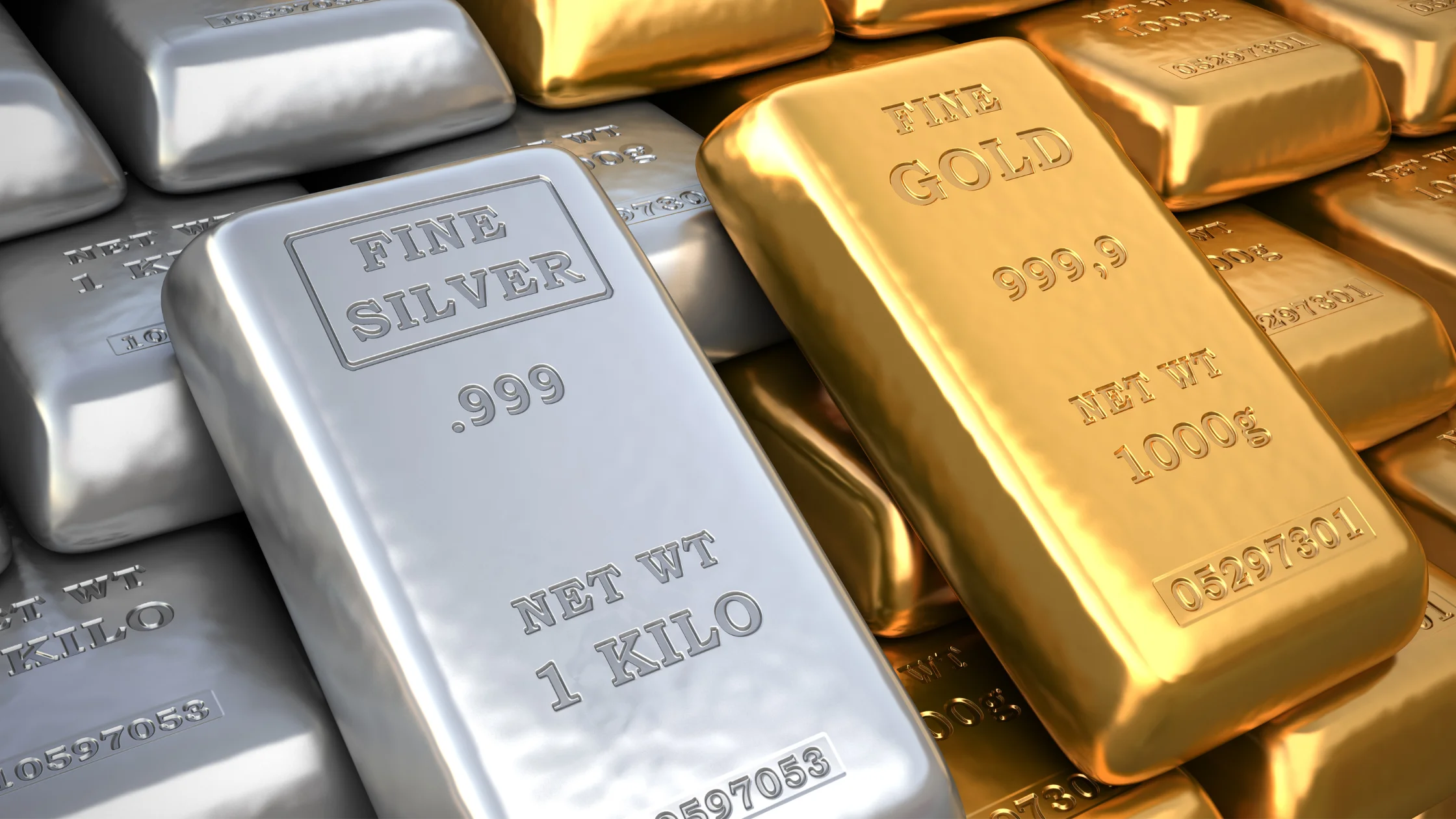
The gold-to-silver ratio is a simple measurement that tells you how many ounces of silver are required to purchase one ounce of gold.
- Simple Calculation: It’s found by dividing the current spot price of gold by the current spot price of silver.
- A Measure of Value: A high ratio (e.g., 90:1) means that silver is historically cheap, or “undervalued,” when compared to gold. A low ratio (e.g., 40:1) suggests the opposite. The best silver investment tips are often based on such clear metrics.
✅ A high ratio might signal a good time to buy silver
By comparing the current ratio to its historical track record, you can spot potential buying opportunities that others might miss.
- Historical Norms: For much of the 20th century, the ratio hovered in the 40:1 to 50:1 range. In ancient history, it was even lower.
- The Modern Anomaly: In recent decades, the ratio has often been well above 70:1 or 80:1. This significant deviation from the historical average is seen by many investors as a strong signal that silver is on sale.
✅ Use it to time entries and exits smartly
This ratio isn’t just an interesting fact; it’s an actionable tool that can form the basis of a sophisticated investment strategy. It’s one of the top silver investment tips used by seasoned professionals.
- Reversion to the Mean: The strategy is built on the theory that an abnormally high ratio will eventually “revert to the mean,” or fall back toward its long-term average.
- The Strategic Play: For the ratio to fall, silver’s price must rise faster than gold’s. Therefore, a smart strategy is to buy silver when the ratio is high and potentially trade that silver for gold when the ratio becomes historically low.
📌 Watch the market like a pro—this ratio is your cheat code for identifying when silver is undervalued and the perfect time to buy!
✨ Tip #6: Stay Informed on Industrial Demand
A final, forward-looking tip that separates novice investors from strategic ones is to understand what drives silver’s value from a utility standpoint. Keeping up with these trends is one of the most powerful silver investment tips for long-term growth.
- Follow the Green Transition: The single largest driver of industrial silver demand is the solar industry. Silver paste is essential for photovoltaic cells. Pay attention to global solar installation targets and technological advancements.
- Watch the EV Market: Electric vehicles contain much more silver than traditional cars. As the world shifts to EVs, the demand for silver from the auto sector is set to soar.
- Monitor Tech and Healthcare: Stay informed about advancements in 5G technology, consumer electronics, and medical applications, as these sectors are constantly finding new uses for silver’s unique properties.
✨ Conclusion
Investing in silver is a journey, and like any journey, it’s best undertaken with a good map. The six essential silver investment tips we’ve covered provide that map, guiding you through the crucial decisions of how to start, what to buy, how to identify value, and how to protect your assets. By moving beyond the hype and focusing on these foundational strategies, you position yourself for steady, intelligent growth.
From the simple wisdom of starting small and the critical importance of verifying authenticity to the professional-level strategy of monitoring the gold-to-silver ratio, these silver investment tips are designed to empower you. They transform you from a mere buyer into a confident and informed investor, capable of navigating the market’s complexities and harnessing silver’s unique potential.
Ultimately, the goal is to build a secure and prosperous future, and silver offers a powerful and accessible path to do just that. Its dual role as a monetary metal and an industrial powerhouse makes it a uniquely compelling asset for our time. Armed with these silver investment tips, you are now fully equipped to make smart decisions and build a portfolio that will shine for years to come.
Reach out to Shri Krishna Jewels today! ✨💍📌
FAQs
What is the single most important silver investment tip for a complete beginner?
The most crucial tip is to start small and scale gradually. This approach allows you to learn the market dynamics with minimal financial risk, build your confidence over time, and develop the emotional discipline needed to be a successful long-term investor.
I’ve seen many “silver investment tips,” but how do I avoid counterfeit silver?
The best way to avoid fakes is to follow Tip #3: Verify Purity and Authenticity. This means buying only from reputable, well-reviewed bullion and learning to recognize the official hallmarks (weight, purity, mint mark) on legitimate coins and bars. If a deal seems too good to be true, it always is.
What is the gold-to-silver ratio, and why is it such an important tip?
The gold-to-silver ratio tells you how many ounces of silver it takes to buy one ounce of gold. It’s one of the most powerful silver investment tips because it helps you identify when silver is historically undervalued compared to gold. A high ratio (e.g., above 80:1) is often seen as a strong buying signal for silver.
What’s the difference between investing in physical silver vs. a silver ETF?
Physical silver (coins/bars) is a tangible asset that you own directly, free from counterparty risk. A silver ETF is a share in a fund that holds silver; it’s convenient and liquid but you don’t own the actual metal. Our silver investment tips suggest that a core holding of physical silver is best for long-term security.
How much of my portfolio should be in silver?
This is a personal decision that requires consulting a licensed financial advisor. However, many financial experts suggest an allocation of 5% to 10% of your total portfolio to precious metals. How you split that between gold and silver depends on your risk tolerance and belief in the silver investment tips outlined here.