Introduction
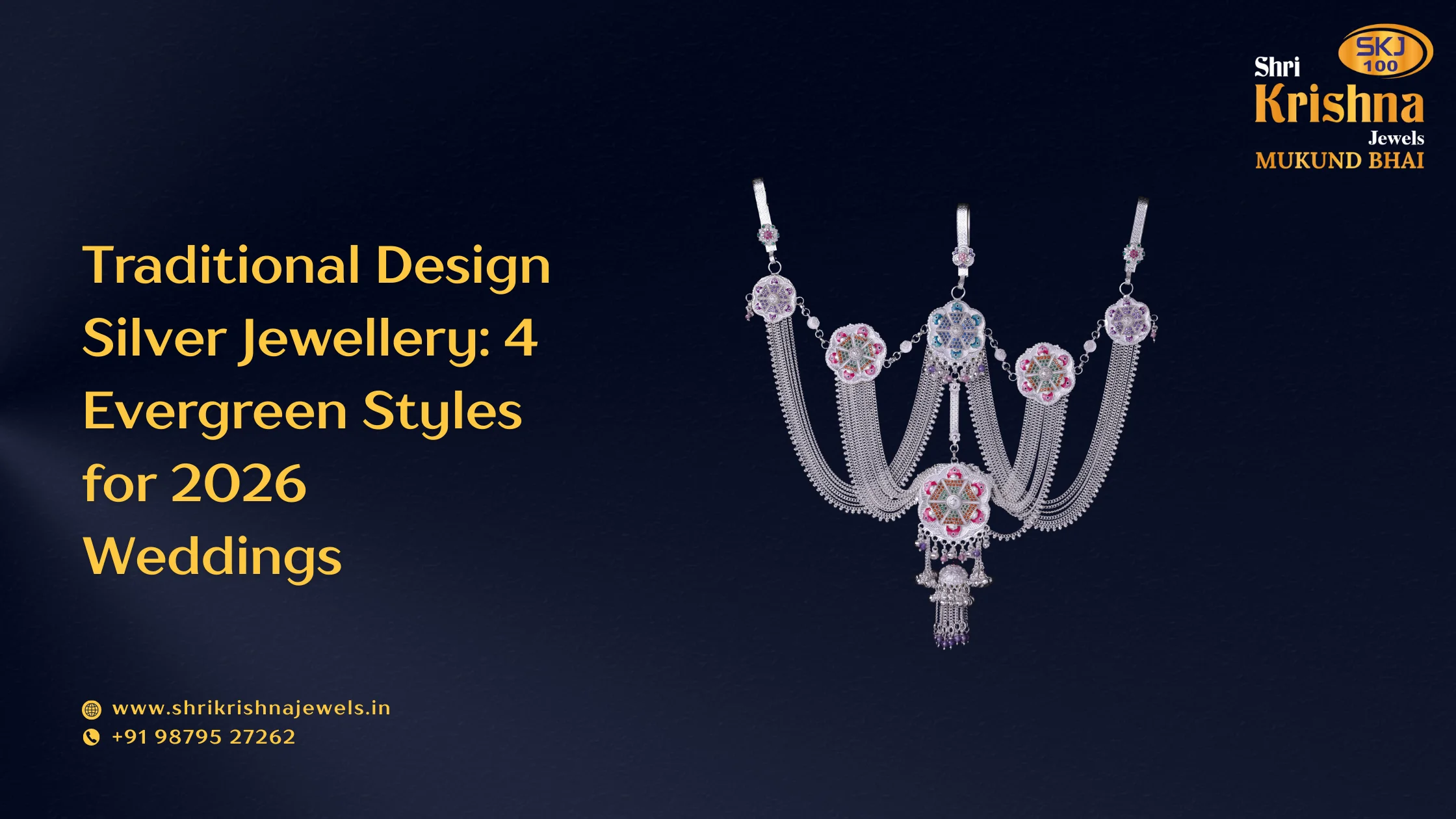
In the kaleidoscope of trends that defines the Indian wedding landscape, one element stands unshaken by the passage of time: the profound elegance of Traditional Design Silver Jewellery. As we step into 2026, the allure of silver has not just endured; it has evolved into a symbol of refined taste and cultural pride. While modern minimalism has its place, the Indian wedding remains a celebration of heritage, where the weight of tradition is often measured in the intricate craftsmanship of the ornaments worn. For brides and families, silver offers a canvas of unmatched versatility, blending the grandeur of the past with the sensibilities of the present.
The cultural significance of Traditional Design Silver Jewellery goes beyond mere decoration. It is a storyteller, whispering tales of ancient artistry, regional customs, and divine blessings. From the auspicious jingle of heavy anklets to the regal grace of a temple necklace, these pieces are not just accessories; they are heirlooms in the making. As gold prices fluctuate, silver has emerged as the savvy yet luxurious choice for discerning buyers who refuse to compromise on opulence. The demand for authentic, handcrafted silver pieces is surging, driven by a generation that values the soul of the artisan over the shine of mass production.
For retailers and wedding shoppers alike, understanding the nuances of these timeless styles is crucial. Which designs will define the bridal trousseau of 2026? How do you distinguish a fleeting fad from an evergreen classic? In this guide, we will explore four evergreen Traditional Design Silver Jewellery styles that are perfect for 2026 wedding celebrations. From the divine motifs of Temple architecture to the delicate lace of Filigree, these are the pillars of bridal beauty. Let’s journey through the rich heritage of Indian silver and discover the pieces that will make your special day truly unforgettable, with exclusive collections available at Shri Krishna Jewels.
✨ Temple Design Silver Jewellery: Divine and Detailed
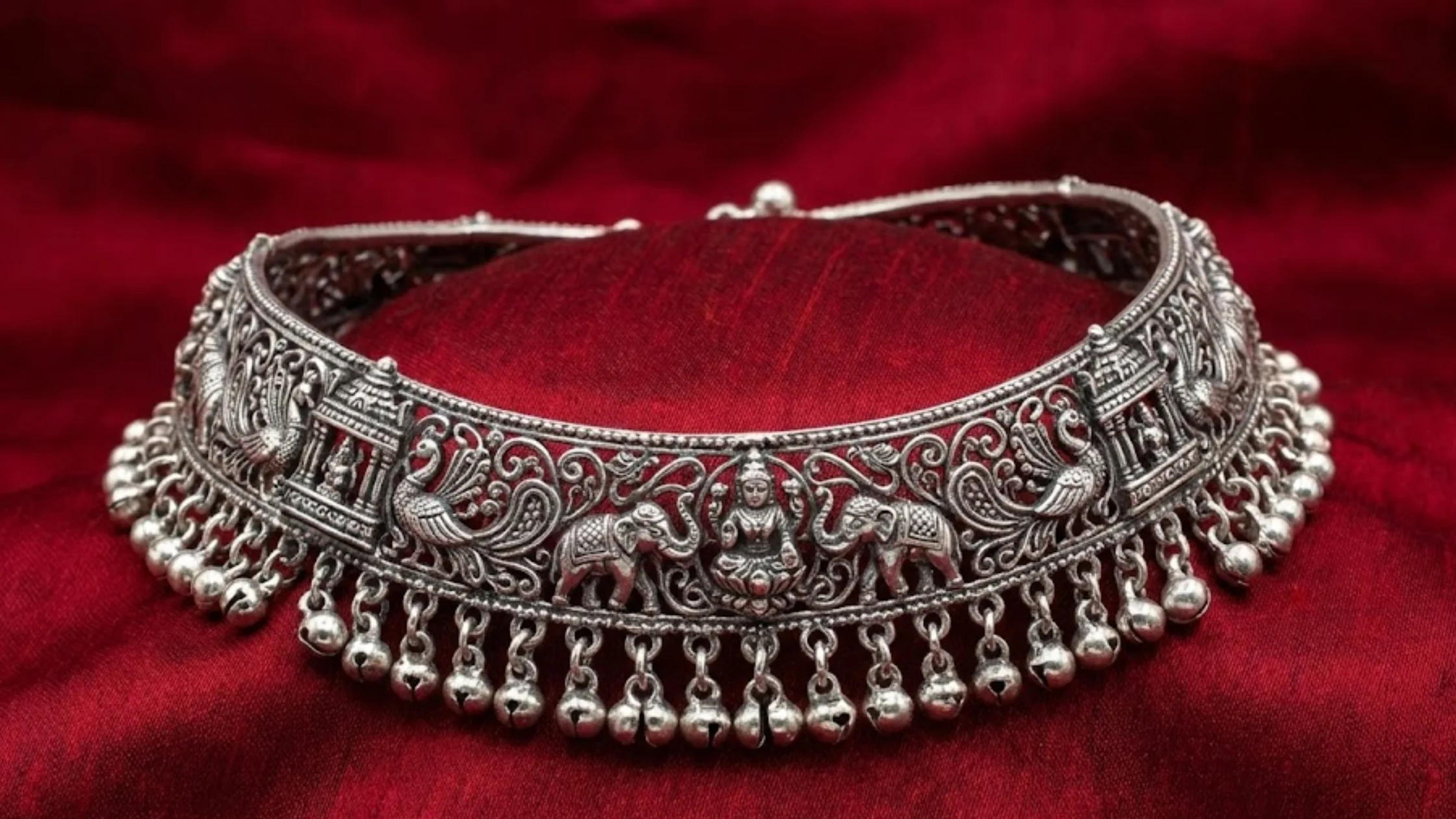
When it comes to bridal majesty, nothing rivals the spiritual grandeur of Temple Design. Originating from the hallowed sanctums of South India, this style has transcended regional borders to become a pan-Indian favorite for Traditional Design Silver Jewellery. In 2026, as weddings become more intimate and culturally rooted, the demand for Temple jewellery is reaching new heights. It transforms the bride into a vision of divinity, embodying the grace of the goddesses she adorns.
✅ Inspired by South Indian temple art and mythology
The soul of this design lies in its architectural roots.
- Sacred Sculptures: Each piece of Design Silver Jewellery in the Temple style is essentially a wearable sculpture. The designs mimic the intricate carvings found on the pillars (gopurams) and ceilings of ancient temples in Thanjavur and Madurai.
- Matte Finish Magic: Unlike high-polish silver, authentic Temple jewellery often features a reddish-gold antique finish or a matte silver sheen. This specific finish is crucial as it highlights the depth of the carving, allowing every minute detail to be seen from a distance.
- Heavy and Solid: This is not lightweight jewellery. Temple designs are characterized by their solid metal weight, giving them a rich drape that sits perfectly against Kanjivaram or Banarasi silks.
✅ Features motifs like goddess figures, peacocks, and floral carvings
The imagery used is deeply auspicious, making it perfect for the sanctity of marriage.
- The Goddess Lakshmi: The most iconic motif in Traditional Design Silver Jewellery is Goddess Lakshmi (Gaja Lakshmi), often depicted seated on a lotus, flanked by elephants. Wearing this symbol is believed to invite prosperity and auspiciousness into the bride’s new life.
- Royal Peacocks: The peacock (Mayura) symbolizes beauty and grace. In Temple jewellery, peacocks are often carved with elaborate plumage, their necks creating elegant curves that frame the face or neck of the wearer.
- Mythical Creatures: You will also find the Yali (a mythical lion-elephant hybrid) and intricate floral vines (Lata) that symbolize protection and growth. These motifs add layers of meaning to the Traditional Design Silver Jewellery collection.
✅ A preferred choice for brides seeking a rich traditional look
For the main wedding ceremony (Muhurtham), this style is unrivaled.
- The Complete Set: Brides often opt for a full Temple set—including a choker, a long Haaram (necklace), Jhumkas (earrings), Vaddanam (waist belt), and Vanki (armlet). The uniformity of the Traditional Design Silver Jewellery creates a cohesive, royal look.
- Cultural Statement: Wearing Temple jewellery is a statement of pride in one’s roots. It connects the modern bride to her ancestry, creating an emotional bridge between generations.
- Investment Piece: Because of the high craftsmanship involved, these pieces retain their value. They are often kept in families for decades, passed down from mother to daughter as cherished Traditional Design Silver Jewellery.
💡 Tip: When choosing Traditional Design Silver Jewellery in the Temple style, pay close attention to the facial features of the deity figures. High-quality craftsmanship will ensure the eyes and expressions are sharp and distinct, not blurred or vague.
✨ Antique Oxidized Silver Jewellery: Vintage Wedding Charm
If Temple jewellery is about divinity, Antique Oxidized Jewellery is about history and character. This style has taken the wedding market by storm, offering a rustic, earthy, and incredibly sophisticated alternative to shiny gold. Traditional Design Silver Jewellery with an Oxidized finish exudes a “vintage” charm that appeals to the bride who wants to look like a queen from a bygone era. It is perfect for pre-wedding functions like the Mehendi or Sangeet, where the vibe is often more bohemian and relaxed.
✅ Showcases dark Oxidized finishes with intricate hand-carved designs
The beauty of this style lies in the contrast between light and shadow.
- The Black Patina: The silver is chemically treated to create a dark, blackish layer in the crevices of the design. This “shadow” makes the raised silver patterns pop, creating a high-contrast look that is the hallmark of antique Design Silver Jewellery.
- Highlighting Texture: This finish is particularly effective for designs that rely on texture rather than stones. Intricate Rawa work (granulation), filigree wires, and hammered surfaces look spectacular when Oxidized.
- Hand-Carved Depth: Many antique pieces feature deep repoussé work (embossing from the back). The oxidisation settles into these deep grooves, emphasizing the three-dimensional quality of the Traditional Design Silver Jewellery.
✅ Perfect for heritage-themed and traditional wedding outfits
This aesthetic aligns perfectly with the current trend of “heritage revival” in bridal fashion.
- Color Contrast: Antique silver looks stunning against the rich, deep colors often worn at Indian weddings—maroon, emerald green, navy blue, and mustard yellow. The muted tone of the Traditional Design Silver Jewellery prevents the look from becoming too gaudy.
- The Tribal Touch: Many antique designs draw inspiration from the tribal jewellery of Rajasthan and Gujarat. Bold, chunky chokers (Hasli) and heavy cuffs (Kadas) add a touch of raw, majestic beauty to the bridal ensemble.
- Versatility: Unlike shiny gold which can sometimes look out of place with certain fabrics, antique Traditional Design Silver Jewellery pairs beautifully with everything from raw silk and khadi to velvet and brocade.
✅ Popular across North and South Indian bridal collections
The appeal of the antique look is truly pan-Indian.
- The North Indian Bride: In the North, brides often layer heavy antique silver necklaces (Rani Haar) with their lehengas for a regal, layered look. The Oxidized finish complements the heavy embroidery (Zardosi) of their outfits.
- The South Indian Fusion: Even in the South, brides are mixing antique silver pieces with their traditional gold for a contemporary fusion look. A long antique silver chain paired with a Kanjivaram saree creates a sophisticated, intellectual aesthetic.
- Bridal Trousseau: Beyond the wedding day, these Design Silver Jewellery pieces become staples in the bride’s wardrobe, worn for festivals and family gatherings for years to come.
✨ Kundan-Embedded Silver Jewellery: Royal Bridal Elegance
For the bride who dreams of the royal courts of Rajasthan, Kundan-Embedded Silver Jewellery is the ultimate fantasy. This style marries the cool luster of silver with the glittering opulence of glass or uncut stones (Polki). It is Traditional Design Silver Jewellery at its most glamorous. In 2026, as brides seek affordable alternatives to solid gold Polki sets, high-quality silver Kundan has emerged as the premier choice for the main wedding ceremony.
✅ Combines silver craftsmanship with Kundan stone embellishments
This technique is centuries old, originating from the royal karkhanas (workshops) of the Mughal era.
- The Art of Jadau: The process involves setting carefully shaped stones into a silver framework using pure gold foil (Kundan). The result is a piece where the stones seem to float within the metal. In Traditional Design Silver Jewellery, this technique is adapted using silver foil or gold-plated silver to achieve the same royal look at a fraction of the cost.
- Uncut Elegance: The stones used often mimic the look of uncut diamonds (Polki). They have a soft, romantic glow rather than a sharp sparkle, which is characteristic of vintage royal jewellery.
- Enamel Backing: High-quality Kundan pieces often feature Meenakari (enamel work) on the reverse side.
✅ Adds regal sparkle without overpowering the bridal attire
Kundan silver strikes a delicate balance.
- Sophisticated Shine: Unlike the yellow glare of gold, silver provides a neutral, cool base that allows the stones to take center stage.
- Color Play: Kundan sets are often accented with semi-precious beads in ruby reds, emerald greens, or pearls. These pops of color allow the bride to perfectly match her jewellery to her wedding outfit.
- The “Maharani” Look: A heavy Kundan choker combined with a long, multi-strand necklace creates the quintessential “Maharani” silhouette. It commands attention and photographs beautifully, which is a top priority for modern brides.
✅ Ideal for grand wedding ceremonies and receptions
This style is designed for the spotlight.
- Reception Glamour: For the wedding reception, where the bride might wear a gown or a modern lehenga, Kundan Design Silver Jewellery offers the perfect amount of bling. It looks festive without being strictly traditional.
- Sangeet Nights: The sparkle of Kundan stones catches the light beautifully during evening functions. A pair of large Kundan Chandbalis (moon-shaped earrings) is often all a bride needs to make a statement on her Sangeet night.
- Cost-Effective Luxury: Perhaps the biggest advantage is cost. A heavy bridal set in real Polki/Gold might cost lakhs. A replica in Traditional Design Silver Jewellery offers 95% of the visual impact for 10% of the price, allowing the bride to invest in other aspects of her wedding.
💡 Tip: When buying Kundan Traditional Design Silver Jewellery, always check the setting. The stones should be securely encased in the metal foil, not just glued on. A secure setting ensures the stones won’t fall out during the energetic dancing of an Indian wedding!
✨ Filigree Work Silver Jewellery: Delicate and Artistic
Filigree, or Tarakasi, is the poetry of the jewellery world. Originating from Cuttack in Odisha and Karimnagar in Telangana, this art form involves twisting thin silver wires into delicate, lace-like patterns. In the realm of Traditional Design Silver Jewellery, Filigree stands apart for its incredible lightness and artistic finesse. For the 2026 bride who values subtlety, grace, and comfort, Filigree is the hidden gem of bridal fashion.
✅ Crafted with fine silver wires forming lace-like patterns
The craftsmanship involved in Filigree is painstaking and precise.
- The Spiderweb Effect: Artisans draw out silver into hair-thin wires and then twist, curl, and plait them to create intricate motifs. The result is a piece of Traditional Design Silver Jewellery that looks like a metallic spiderweb—strong yet incredibly airy.
- Nature Inspired: The motifs are almost exclusively drawn from nature. You will see delicate flowers, creeping vines, butterflies, and peacocks rendered in exquisite detail. The openwork design allows the skin to show through, creating a beautiful contrast.
- No Casting: Unlike other styles that are cast from molds, true Filigree is entirely handmade. Each curl of wire is placed by hand.
✅ Lightweight yet visually rich for long wedding functions
The greatest practical advantage of Filigree is its weight.
- Comfort is Key: Indian weddings are long. Wearing heavy jewellery for 8-10 hours can be exhausting. Filigree Design Silver Jewellery offers a massive visual impact (“the heavy look”) with virtually zero weight. A bride can wear a broad Filigree necklace and heavy earrings all day without feeling weighed down.
- Breathability: The open framework of the design makes the jewellery breathable. It doesn’t trap heat or sweat against the skin, which is a huge relief during summer weddings.
- Layering Potential: Because it is so light, Filigree is perfect for layering. A bride can wear multiple Filigree necklaces of different lengths to create a cascading effect without the physical burden of solid metal.
✅ A classic style passed down through generations
Filigree has a timeless, heirloom quality.
- Ageless Appeal: It is one of the few styles that looks as good on a grandmother as it does on a granddaughter. A Filigree brooch or necklace is a classic piece of Traditional Design Silver Jewellery that transcends trends.
- Versatility: While it is stunning with bridal wear, Filigree also pairs beautifully with lighter fabrics like chiffon, georgette, and organza. This means the bride can wear her wedding jewellery long after the big day, increasing the utility of her purchase.
- The “Gold” Option: Filigree silver is often gold-plated (Ganga-Jamuna style). This gives the rich look of gold with the affordability and lightness of silver, offering the best of both worlds to the consumer.
✨ Conclusion
As the wedding trends of 2026 unfold, one thing is certain: the return to roots is not just a phase but a permanent shift in consumer consciousness. Traditional Design Silver Jewellery sits at the heart of this movement, offering brides the perfect blend of cultural depth, artistic excellence, and practical luxury. Whether it is the spiritual resonance of Temple art, the vintage allure of Antique Oxidized finishes, the royal sparkle of Kundan, or the delicate artistry of Filigree, silver offers a voice to every bride’s unique story.
For retailers and wholesalers, stocking these four evergreen styles is more than a business decision; it is a commitment to preserving heritage. By offering high-quality Traditional Design Silver Jewellery, you are providing your customers with heirlooms that will witness the most important moments of their lives. These styles do not expire with the season; they grow in value and sentiment with every passing year.
So, as you prepare for the upcoming wedding season, look beyond the temporary glitter of modern fads. Embrace the timeless. Invest in the craftsmanship that has defined Indian weddings for centuries. With Traditional Design Silver Jewellery, you are not just selling ornaments; you are selling a legacy of elegance that will shine forever.
Reach out to Shri Krishna Jewels today! ✨💍📌
FAQs
Is Traditional Design Silver Jewellery suitable for a modern bridal look?
Absolutely. The “heritage revival” trend means that Traditional Design Silver Jewellery is now paired with contemporary lehengas and gowns to create a chic, fusion aesthetic. Styles like Antique Oxidized silver offer a bold, bohemian contrast to modern silhouettes, making them perfect for the modern bride.
Does Traditional Design Silver Jewellery tarnish quickly?
Silver naturally tarnishes over time due to exposure to air. However, high-quality Traditional Design Silver Jewellery (especially 925 sterling) can be easily cleaned. Moreover, styles like Antique Oxidized jewellery are intentionally darkened, so tarnish is less visible and actually adds to the vintage character of the piece.
How can I differentiate between authentic Temple jewellery and mass-produced copies?
Authentic Temple Traditional Design Silver Jewellery will have sharp, distinct detailing in the carvings (especially the eyes of deities). Mass-produced copies often look blurry or smooth. Also, authentic pieces are usually heavier due to the solid metal used, whereas copies might feel hollow or lightweight.
Can Kundan-embedded silver jewellery be worn daily?
Kundan pieces are delicate. The stones are set in foil, which can be sensitive to moisture and heavy impact. While Traditional Design Silver Jewellery in the Kundan style is durable enough for weddings and parties, it is recommended to store it safely in a box wrapped in cotton when not in use, rather than wearing it daily.
What is the standard purity for Traditional Design Silver Jewellery?
The global standard is 925 Sterling Silver (92.5% purity). However, for certain traditional styles like heavy tribal or antique pieces, an 80% to 90% purity is sometimes used to provide the necessary hardness for intricate hand-carving. Always check for the hallmark to verify the purity of your purchase.